India’s living arts and heritage
Discover the dances, music and theater that families have handed down for centuries — read about them, listen to them, and learn the basics yourself.


Choose a collection
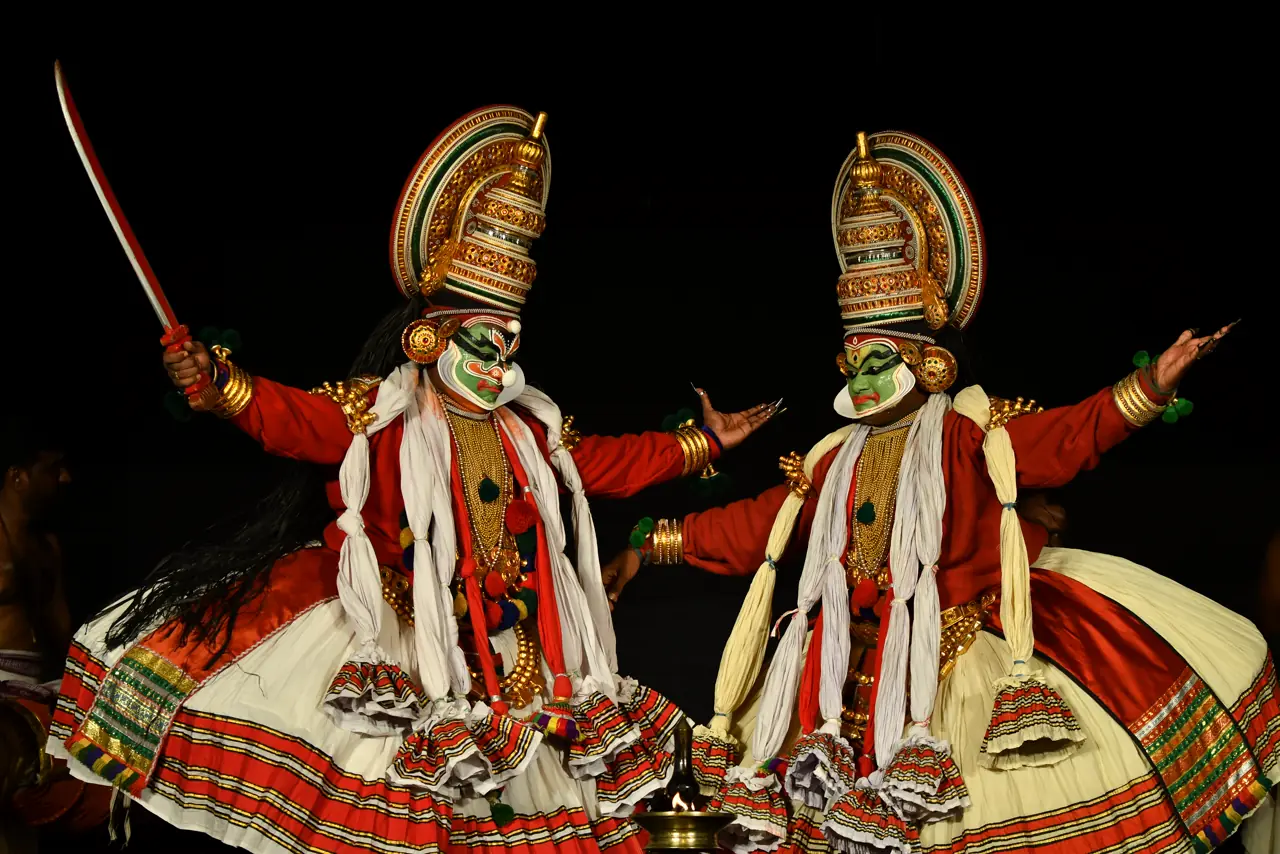 11 art forms South Indian Classical & Folk ArtsExpressive storytelling, intricate footwork and spiritual devotion from Tamil Nadu, Kerala, Karnataka, Andhra Pradesh and Telangana.Explore the collection
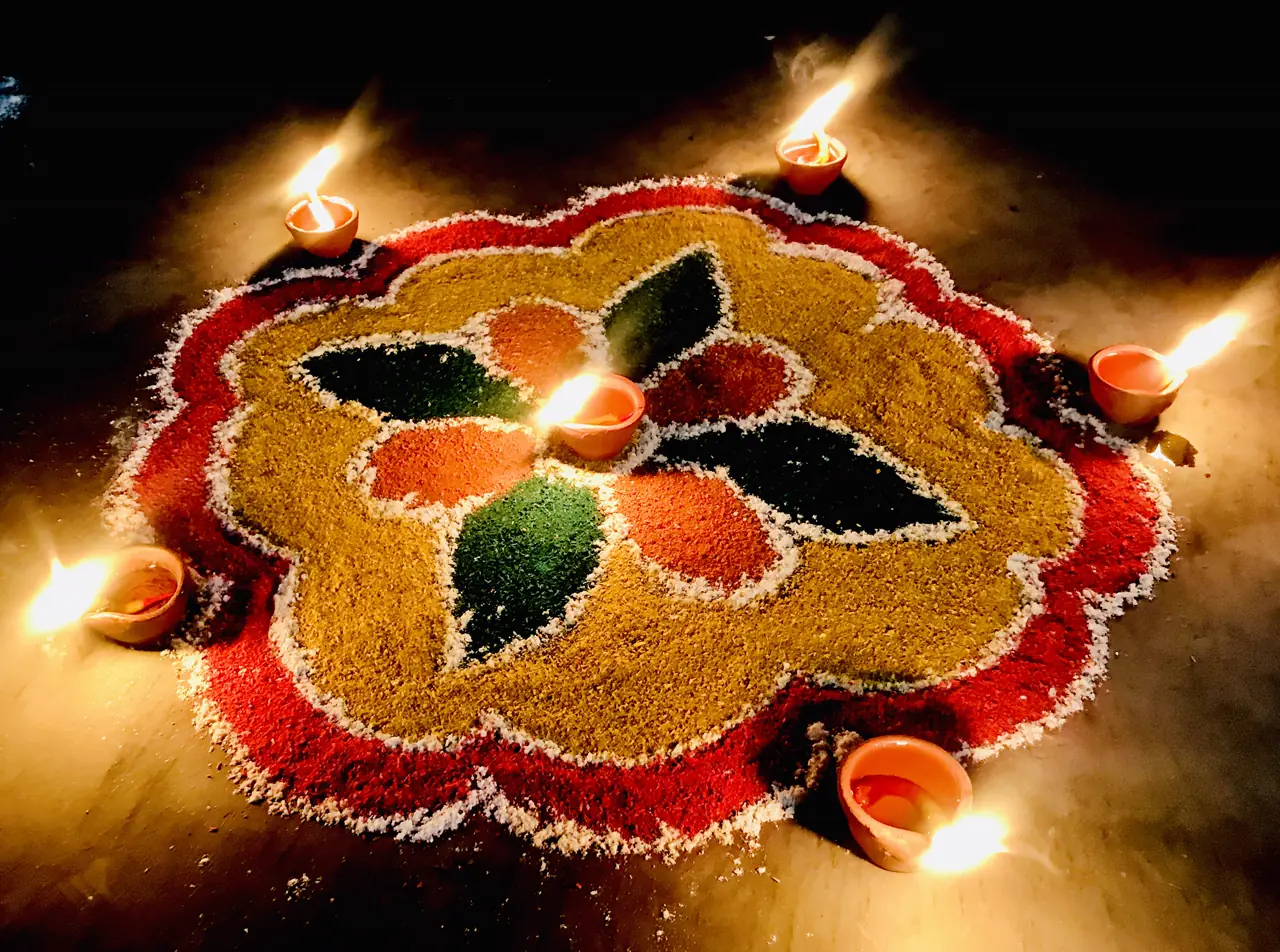 16 festivals Festivals of IndiaThe stories, meaning and customs behind the festivals Hindu families celebrate through the year.Explore the collection
Every art, in one place
11 found
 Classical dance Bharatanatyamபரதநாட்டியம்The temple dance of Tamil Nadu: sculpted poses, crisp rhythmic footwork and poetry told through the hands and eyes. Tamil Nadu
 Classical dance KuchipudiకూచిపూడిThe dance-drama from a village near the Krishna river: quick, graceful and full of theater. Andhra Pradesh
- Dance-drama & theater KathakaliകഥകളിKerala’s dance-drama of painted faces, towering crowns and eyes that speak. Kerala
 Classical dance Mohiniyattamമോഹിനിയാട്ടംThe gentle, swaying dance of the enchantress, from Kerala. Kerala
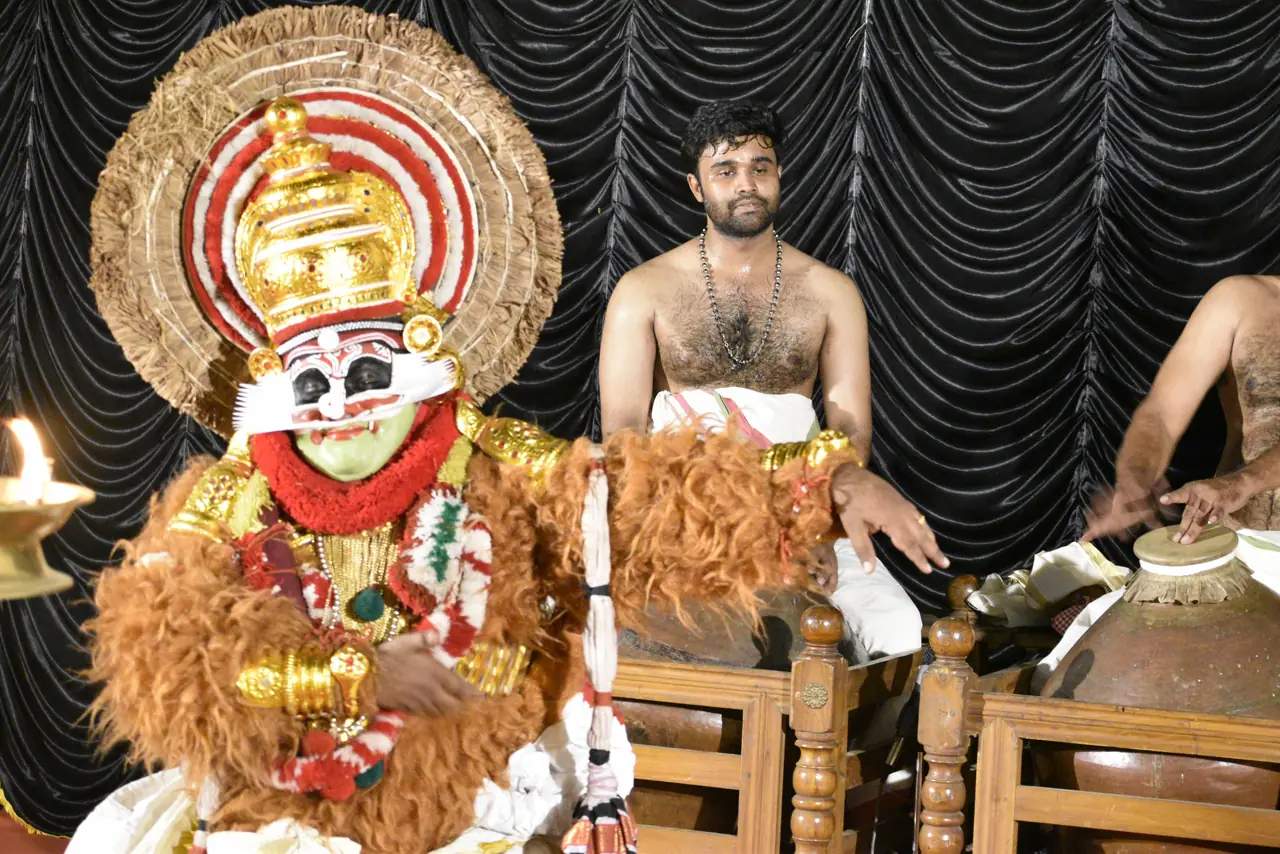 Dance-drama & theater Koodiyattamകൂടിയാട്ടംSanskrit theater kept alive in Kerala’s temples, recognized by UNESCO. Kerala
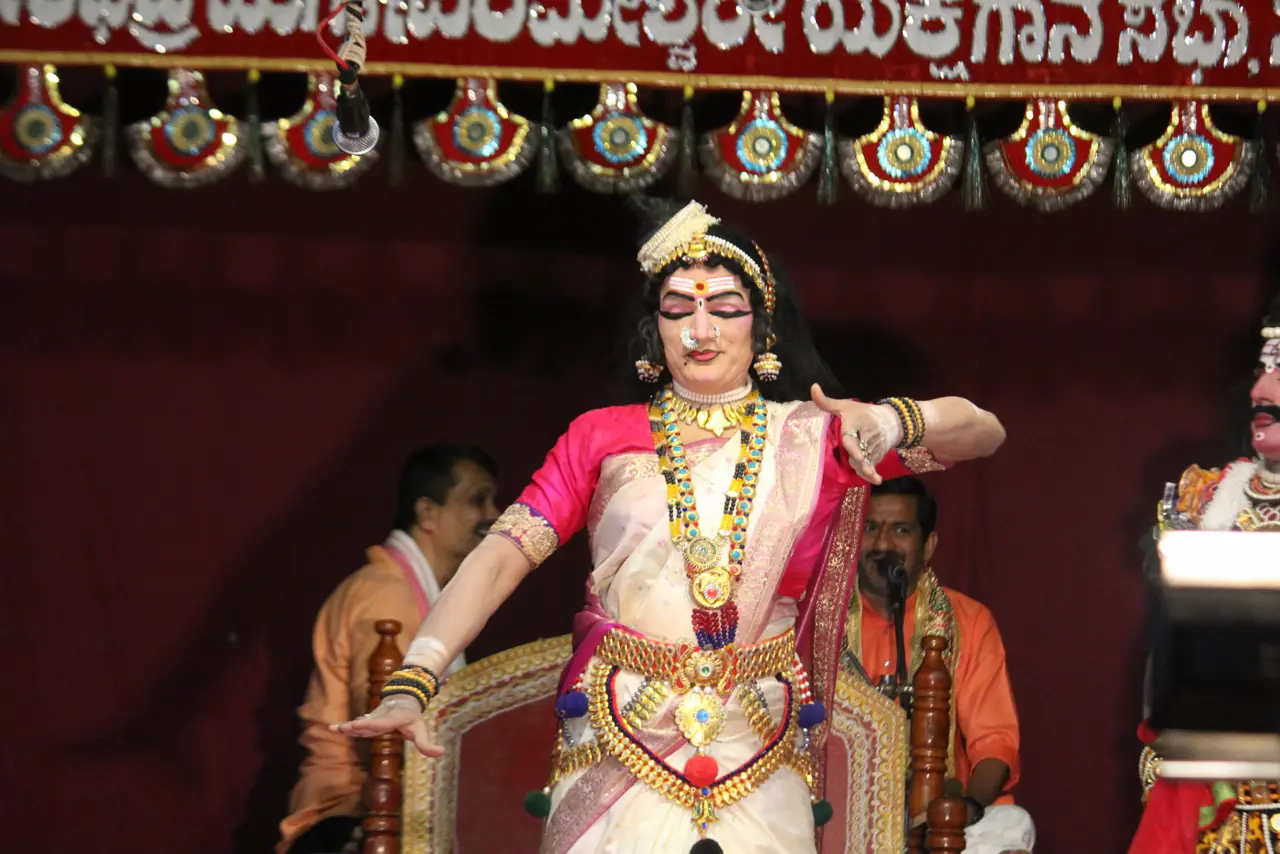 Dance-drama & theater Yakshaganaಯಕ್ಷಗಾನCoastal Karnataka’s all-night theater of song, dance, drums and dazzling headdresses. Karnataka
 Ritual art Theyyamതെയ്യംIn North Kerala, a performer becomes the deity — a ritual art of color, fire and blessing. Kerala
 Classical dance Perini Shivatandavamపేరిణి శివతాండవంThe warriors’ dance of the Kakatiya kingdom, offered to Shiva and brought back to life in Telangana. Telangana
 Folk dance Karagattamகரகாட்டம்A Tamil folk dance of balance, with a decorated pot on the head, offered to the rain goddess. Tamil Nadu
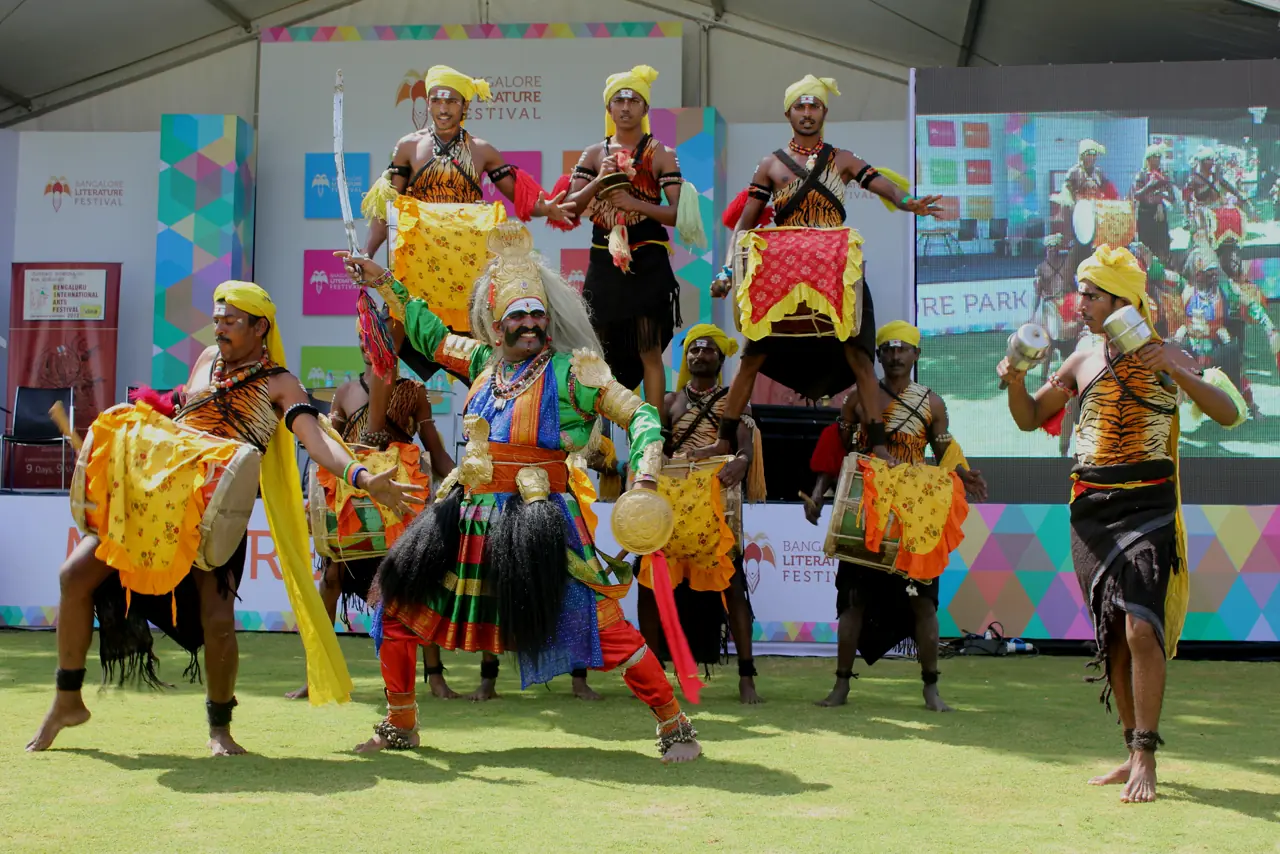 Folk dance Dollu Kunithaಡೊಳ್ಳು ಕುಣಿತKarnataka’s thunderous drum dance, full of leaps and formations. Karnataka
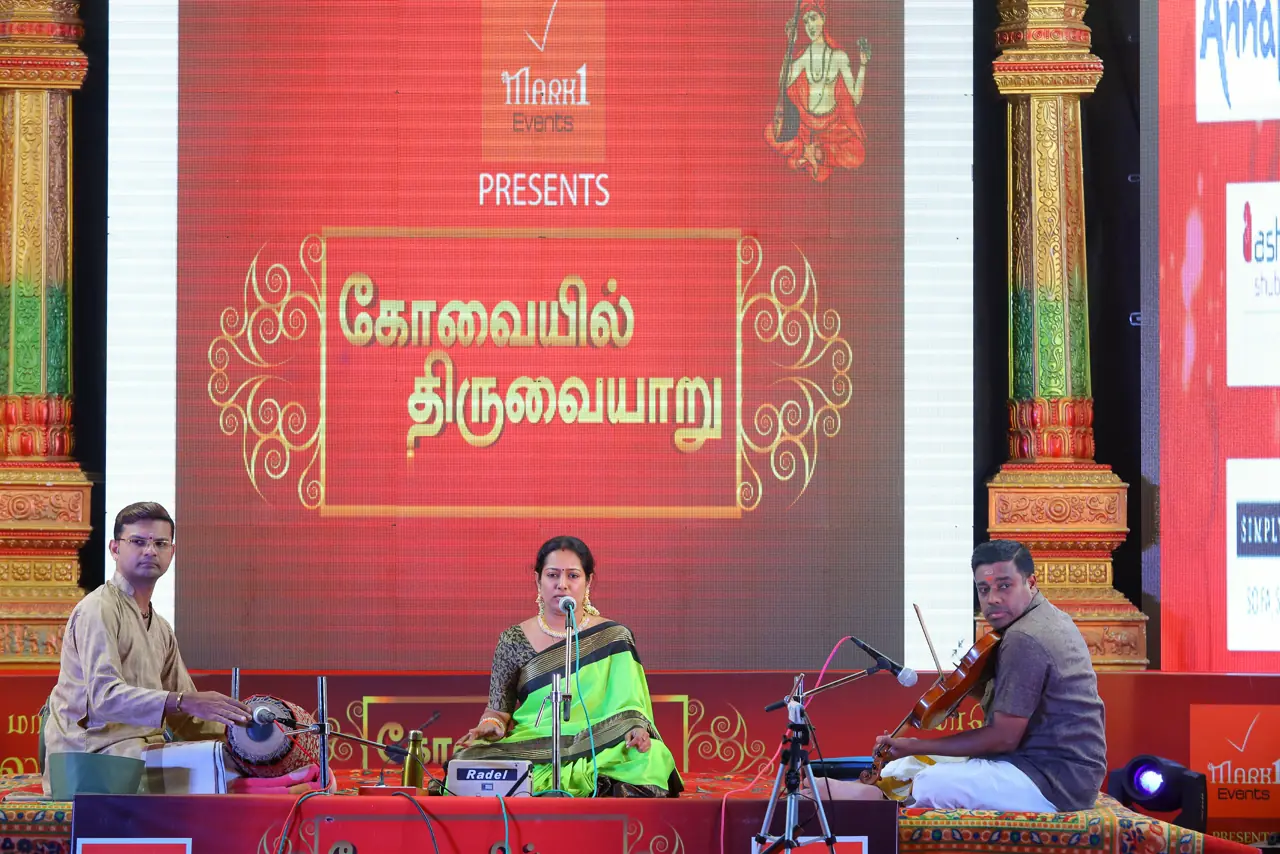 Classical music Carnatic Musicకర్ణాటక సంగీతంSouth India’s classical music — ragas, rhythms and songs of devotion that its dances are built on. Tamil Nadu, Karnataka, Andhra Pradesh, Telangana, Kerala
The language of Indian performing arts
The classical arts share ideas written down about two thousand years ago in the Natya Shastra. Learn them, and every performance becomes easier to read.
Three elements of dance
- Nritta
Pure dance: rhythm, steps and lines enjoyed for their own beauty, without telling a story.
- Nritya
Expressive dance: movement, gesture and face working together to show meaning and feeling.
- Natya
Drama: a story acted out, with the performer becoming one character or many.
Navarasa: the nine emotions
Choose a feeling to see how a performer shows it — then try it in a mirror!
1 / 9
Shringara — Love and beauty
- How it looks
- Soft eyes, a gentle smile, a graceful tilt of the head.
- In the stories
- Radha waiting for Krishna by the river Yamuna.
The Natya Shastra describes eight rasas; later thinkers, among them Abhinavagupta, added Shanta, peace, as the ninth — giving the Navarasa, the nine flavors of feeling an audience can “taste”.
Four ways of expression (abhinaya)
- Angika
Expression through the body — postures, steps, hand gestures, the head and eyes.
- Vachika
Expression through words — speech, song and the poetry being performed.
- Aharya
Expression through appearance — costume, make-up, jewelry and the stage.
- Sattvika
Expression from within — true feeling that shows itself, like tears, a tremble or a blush.
Clap along: Adi tala
Rhythm in Carnatic music and dance is counted in cycles called talas. Adi tala, the most common, has eight beats. Press Start and keep time with your hand.
Laghu: 4 beats
- 1tha Clap
- 2ka Count 1
- 3dhi Count 2
- 4mi Count 3
Drutam: 2 beats
- 5tha Clap
- 6ka Wave
Drutam: 2 beats
- 7jha Clap
- 8nu Wave
Clap on beats 1, 5 and 7. On beats 2, 3 and 4, touch your thumb to your little, ring and middle fingers. On beats 6 and 8, turn your hand over in a wave. Say the syllables as you go.
Ready to try it yourself?
The IASF Arts & Creativity program includes Indian classical dance, including Bharatanatyam, alongside music, theater and visual arts.